
Why Video Evidence Is Essential for Drivers

Generated with OpenAI ChatGPT
Every trip on the road comes with uncertainty. Traffic is heavier, roads are shared with more types of vehicles, and even a routine commute can take an unexpected turn. When an incident happens, one of the first questions is often simple: What actually happened? That’s why video evidence is becoming an increasingly valuable tool for modern drivers.
Accidents Happen Fast, but Questions Can Last for Weeks
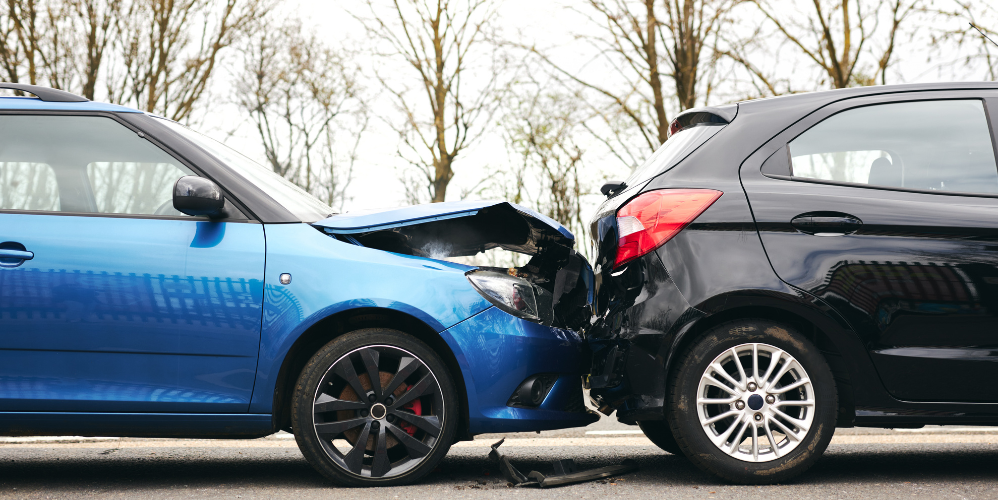
Most accidents are over almost as quickly as they begin. A sudden lane change, a missed blind spot, or an unexpected stop can lead to a collision in moments. The problem is that drivers involved in the same incident often remember events differently, especially under stress. Questions about right of way, lane position, or timing can quickly become points of disagreement. Video footage helps provide an objective record of the moments leading up to the incident, making it easier to understand how events unfolded.
Insurance Claims Depend on Evidence
After an accident, insurance claims often depend on the information available. When accounts conflict, resolving a claim can take longer and require additional documentation. Video evidence can help support your version of events from the start, reducing reliance on memory alone. For drivers, this can mean fewer disputes, less back-and-forth, and a smoother claims process.
Source: Canva
Not Every Incident Is a Major Crash
When people think about video evidence, they often picture a serious road accident. In reality, many driving-related incidents are far less dramatic. A vehicle may be damaged in a parking lot while the owner is away, a shopping cart could roll into a parked car, or road debris might cause unexpected damage. These situations can leave drivers wondering when, where, or how the incident occurred. Having a recorded account of events can help fill in those gaps and provide valuable information that might otherwise be difficult to obtain.
Everyday Driving Creates Unexpected Situations
Not every incident results in vehicle damage, but many still raise questions. A driver cuts across multiple lanes, an object falls from a truck, or a pedestrian suddenly enters the roadway. These events happen quickly and can be difficult to explain afterward. While a photo shows the result, video captures the context, including the moments before and after the event.
Confidence When It Matters Most
Most drivers hope they’ll never need recorded footage. But when an unexpected situation arises, having an objective record can save time, reduce stress, and help clarify the facts. As roads become busier and driving environments more complex, video evidence is becoming less of a luxury and more of a practical part of everyday driving.
