
Car Safety Technology Helps Drivers—but Doesn’t Replace Safe Driving
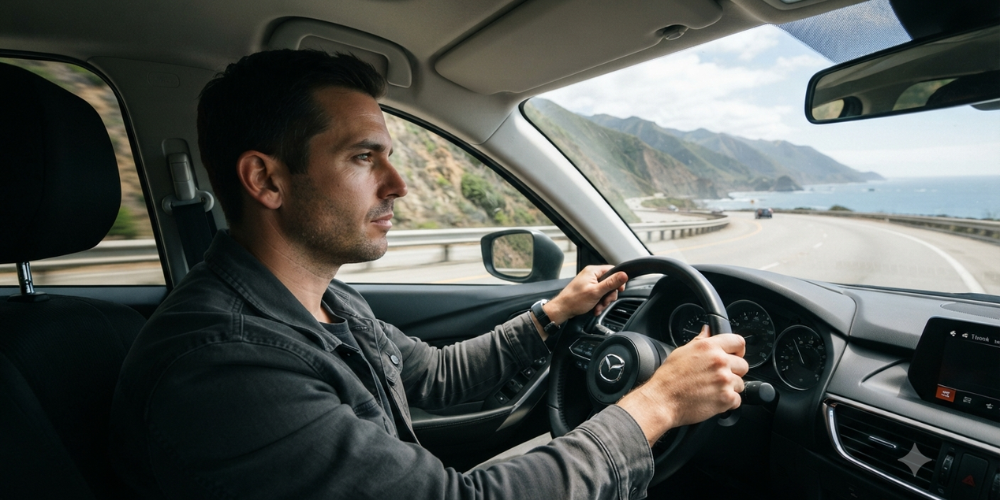
Generated with Gemini
Modern cars are safer and more technologically advanced than ever. Features such as automatic emergency braking, blind-spot monitoring, parking cameras and driver alerts are designed to help drivers recognize potential hazards and respond more effectively. These systems can provide valuable assistance in situations where a driver may not immediately notice a risk. However, no technology can account for every situation on the road. Safe driving still depends on attention, good judgment and an active understanding of what is happening around the vehicle. The most effective approach is not to rely on technology alone, but to use it alongside responsible driving habits.
What Modern Car Safety Technology Can—and Cannot—Do
Modern safety technology covers a wide range of functions, each designed to assist with a particular part of the driving experience. Advanced driver assistance systems (ADAS), for example, can monitor the road and provide warnings or intervention when certain risks are detected. Blind-spot monitoring can alert drivers to vehicles that may be difficult to see, while automatic emergency braking can help reduce the severity of a collision when a potential impact is detected. Parking cameras and sensors make low-speed maneuvers easier, while navigation and driver alerts help drivers stay informed throughout a journey.
However, these systems operate within specific conditions and limitations. Sensors can be affected by weather, visibility or their surroundings, and no system can interpret every road situation perfectly. Understanding what a feature is designed to do—and where its limitations lie—is therefore just as important as having the technology itself.
Why Driver Awareness Still Matters
One of the biggest risks of increasingly capable vehicles is assuming that the car will handle every situation. Safety technology is designed to support the driver, not replace their attention. A warning system may identify a potential hazard, but the driver still needs to assess the situation and decide how to respond.

Generated with Gemini
Simple habits remain essential: checking mirrors and blind spots, maintaining a safe following distance, watching the road ahead and staying aware of surrounding traffic. This is particularly important in unpredictable situations, where conditions can change faster than a vehicle’s systems can respond.
Technology Works Best When Drivers Stay Engaged
The greatest benefit comes when technology and good driving habits work together. Drivers should understand what their vehicle’s safety features do, when they operate and where their limitations are. This allows technology to function as an additional layer of protection rather than creating a false sense of security.
Defensive driving remains the foundation. Safety systems can provide additional information or assistance, but an attentive driver is still the most important part of the safety system.
Why Having a Record of the Road Matters
Even when drivers use safety technology responsibly, unexpected incidents can still happen. A sudden collision, a parking incident or an unclear situation on the road may leave questions about what actually occurred.
This is where a dashcam can provide another useful layer of reassurance. Unlike systems designed primarily to warn or assist the driver, a dashcam records what is happening around the vehicle. That footage can provide a clearer record of an incident and help establish what happened afterwards. In this way, a dashcam can complement a vehicle’s existing safety technology without replacing it.
Smarter Cars Still Need Responsible Drivers
Modern vehicle technology has made driving more informed, convenient and potentially safer. But even the most advanced safety features have limitations, and none can replace human awareness and judgment.
The best approach is to use technology as it was intended: as an additional layer of support. When drivers remain attentive, understand their vehicle’s capabilities and combine technology with responsible driving habits, each system can contribute to a safer overall driving experience.
