
The First 10 Minutes After a Car Accident: What to Do Before Calling Insurance
Source: Canva
A car accident can happen in seconds, but the moments immediately afterward can determine how safely you handle the situation and how clearly you can document what happened. In the first few minutes, emotions are often high, and it can be difficult to think clearly. In such a scenario, the priority should be protecting yourself, checking for injuries, and collecting important information while the details are still fresh.
Stay Calm and Check for Safety First
The first priority after any accident is making sure everyone is safe. Before checking vehicle damage or thinking about insurance, take a moment to assess the situation and check yourself, your passengers, and others involved for possible injuries. If anyone needs immediate medical attention, getting help should come before anything else. If it is safe to do so, move your vehicle away from traffic to avoid further accidents, turn on your hazard lights, and use any available warning signals to alert other drivers. Even a minor collision can create additional risks, so staying calm and being aware of your surroundings is the most important first step.
Do Not Admit Fault or Argue at the Scene
After an accident, emotions can run high, and it is easy for conversations to become stressful. However, it is important to avoid immediately blaming the other driver or admitting fault before all the facts are clear. A simple statement made in the moment can sometimes be misunderstood later. Instead, remain calm, communicate respectfully, and focus on exchanging necessary information. Let the evidence, reports, and proper evaluation determine what happened rather than trying to decide responsibility at the scene.
Collect Evidence While Everything Is Fresh
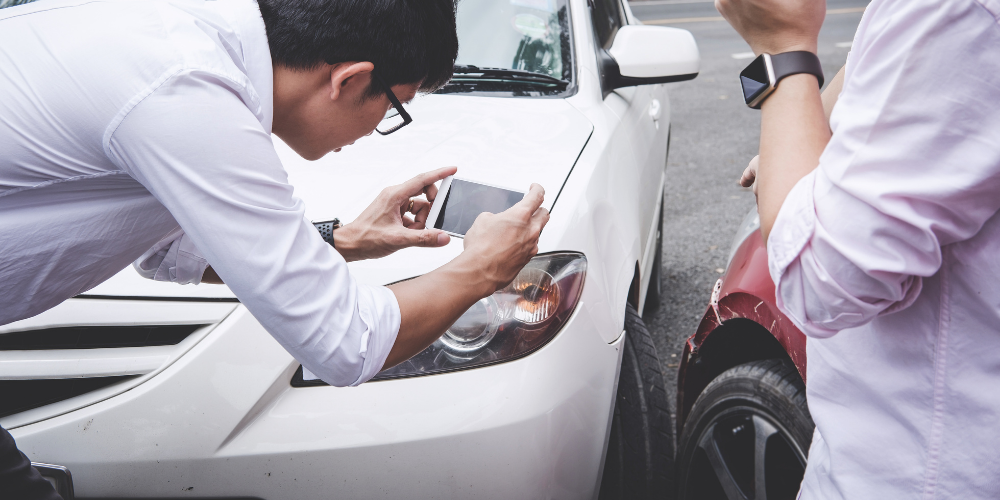
Once everyone is safe and the situation is under control, the next step is to collect as much information as possible. Details from an accident can become unclear over time, so documenting the scene immediately can make a big difference. Take photos or videos of the vehicle damage, road conditions, traffic signs, surrounding area, and the position of the vehicles. If there were witnesses, collect their contact information, as their observations may help provide a clearer picture of what happened. It is also a good time to check and secure any dashcam footage, as it can provide an objective record of the events leading up to the accident. Clear evidence can help prevent disagreements and make the process of handling the accident much smoother.
Source: Canva
Gather Information Before Contacting Insurance
Before contacting your insurance provider, take a moment to organize the information collected at the scene. Exchange basic details with the other driver, including names, contact information, vehicle details, and insurance information where applicable. Make a note of important details such as the time and location of the accident, weather conditions, and a brief description of what happened. Keeping records of conversations, photos, and documents can help make the reporting process easier and more accurate. Having complete information ready allows you to provide a clearer account of the accident and helps avoid missing important details later.
Use Technology to Protect Yourself After an Accident
Technology can play an important role in understanding what happened after a collision. A dashcam can provide an objective record of the moments before, during, and after an accident, capturing details that may be difficult to remember clearly during a stressful situation. Video footage can show road conditions, vehicle movements, and the sequence of events, helping provide a clearer picture when there are different accounts of what happened. For drivers using dashcams with features such as cloud storage or event protection, important footage can also be preserved even if the vehicle is damaged. Regularly checking that your dashcam is working properly and has enough storage space ensures it is ready when it is needed most.
Conclusion
The moments after a car accident can feel overwhelming, but staying calm and following the right steps can help protect both your safety and your interests. By checking for injuries, collecting clear evidence, and keeping important information organized before contacting insurance, you can handle the situation with greater confidence. While accidents are unpredictable, being prepared can make the process afterward much easier.

