
From Driving Recorder to Everyday Car Technology: How Dashcams Became Part of the Modern Car
Generated with Gemini
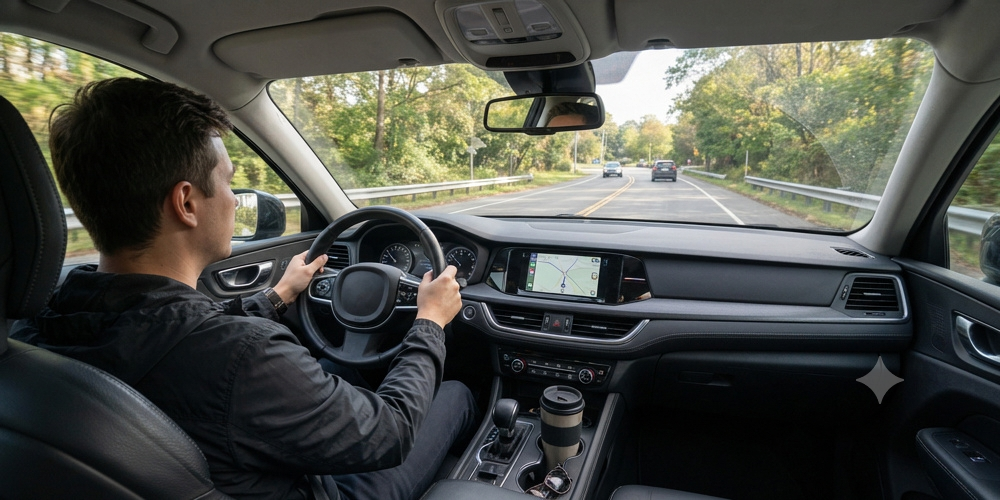
For many drivers, a dashcam was once a simple device with one main purpose: recording what happened on the road. If an accident occurred, the footage could provide a useful record of the incident. Outside of those situations, however, there was little reason to think about the camera.
That perception has gradually changed. As vehicles have become more connected and technology has become a bigger part of everyday driving, dashcams have evolved from basic recording devices into practical tools for modern car ownership.
From Accident Recording to Everyday Protection
One of the most familiar uses of a dashcam is still recording the road ahead. In the event of a collision or unexpected incident, recorded footage can help establish what happened and provide useful evidence when dealing with insurance claims or disputes.
This is particularly valuable because road incidents can happen quickly. A clear recording can capture details that may otherwise be difficult to remember or determine afterward, such as the movement of nearby vehicles, traffic conditions or the sequence of events.
In this sense, a dashcam does not prevent every incident, but it can provide an additional layer of reassurance when something unexpected happens.
Protection Doesn’t Stop When You Park
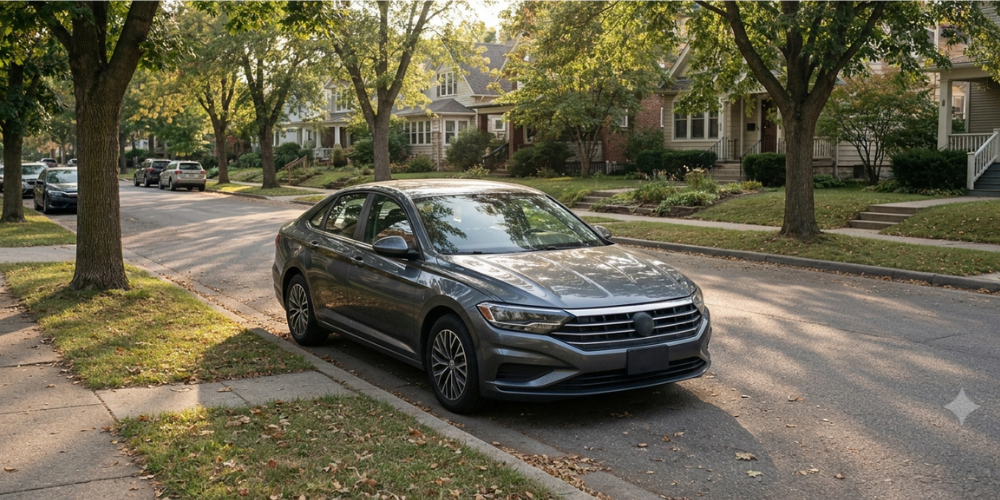
Modern dashcams can also play a role when the vehicle is not being driven. Parking incidents, minor collisions and hit-and-runs can happen while a car is unattended, often leaving the owner with little information about what happened.
Parking recording features allow a dashcam to continue monitoring the vehicle while it is parked, depending on the system and installation. This extends the usefulness of a dashcam beyond the driving environment and makes it relevant to another important part of car ownership: protecting the vehicle when you are away from it.
Generated with Gemini
More Than Just Evidence
Dashcam footage can also become part of everyday driving itself. Road trips, scenic routes and unexpected moments on the road can all become part of a driver’s personal record.
At the same time, dashcams increasingly work alongside other vehicle technologies. They are not a replacement for attentive driving, built-in safety systems or responsible vehicle use. Instead, they can complement these technologies by providing another source of information when it is needed.
Becoming Part of Modern Car Ownership
As dashcams have become more capable, choosing one is no longer simply about asking whether it can record video. Drivers may also consider factors such as image quality, parking protection, storage, reliability and how easily the system fits into their vehicle.
This reflects a broader change in how people think about automotive technology. Features that were once considered optional accessories are increasingly becoming part of the everyday setup of a vehicle.
A dashcam may still begin with a camera pointed at the road, but its role has expanded considerably. From documenting unexpected incidents to monitoring a parked vehicle and capturing everyday journeys, it has become a practical part of modern vehicle ownership.
The technology may be small, but its purpose is increasingly connected to one of the biggest priorities of driving: being prepared for what happens next.
