
What Does LiFePO4 Mean in External Battery Packs?
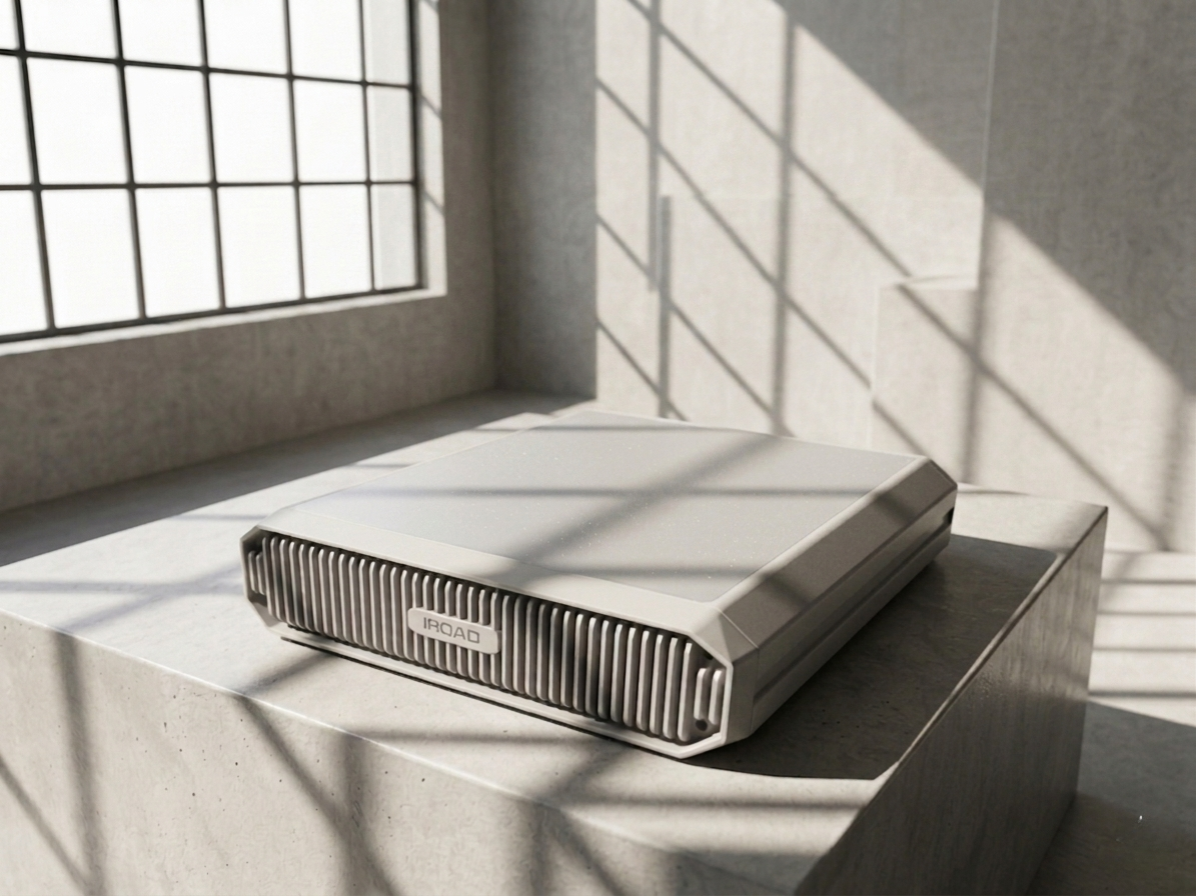
If you’ve ever looked into external battery packs for dashcam, you’ve probably seen the term “LiFePO4” pop up. And if your first reaction was “what does that even mean?”—you’re not alone. It’s not exactly a user-friendly term, and it doesn’t explain much at first glance.
The good news? It’s actually much simpler than it sounds—and it matters more than you might think when choosing a dashcam setup.
What Is LiFePO4?
LiFePO4 stands for lithium iron phosphate.
That might still sound technical, but here’s the easier way to think about it: it’s just a type of lithium battery designed to be more stable and durable than the ones you typically find in everyday devices.
You don’t need to understand the chemistry behind it. What matters is how it performs—and why it’s used in the first place.
Why Is It Used in Dashcam Battery Packs?
The answer comes down to one thing: real-world conditions inside your car.
Unlike your phone or laptop, a dashcam doesn’t live in a comfortable indoor environment. It stays inside your vehicle—often for long hours, sometimes all day.
That means:
- In summer, your car can heat up quickly
- The battery faces constant temperature changes
- It needs to work reliably over time
LiFePO4 battery packs are designed with this in mind.
They handle heat better than typical lithium batteries, which makes them more stable in high-temperature conditions. This stability also contributes to overall safety.
They’re also built for longevity. External battery packs go through frequent charging and discharging—especially if you’re using parking mode. LiFePO4 batteries are designed to handle these cycles over time without losing performance as quickly.
In short, they’re built for consistency, not just short bursts of power.
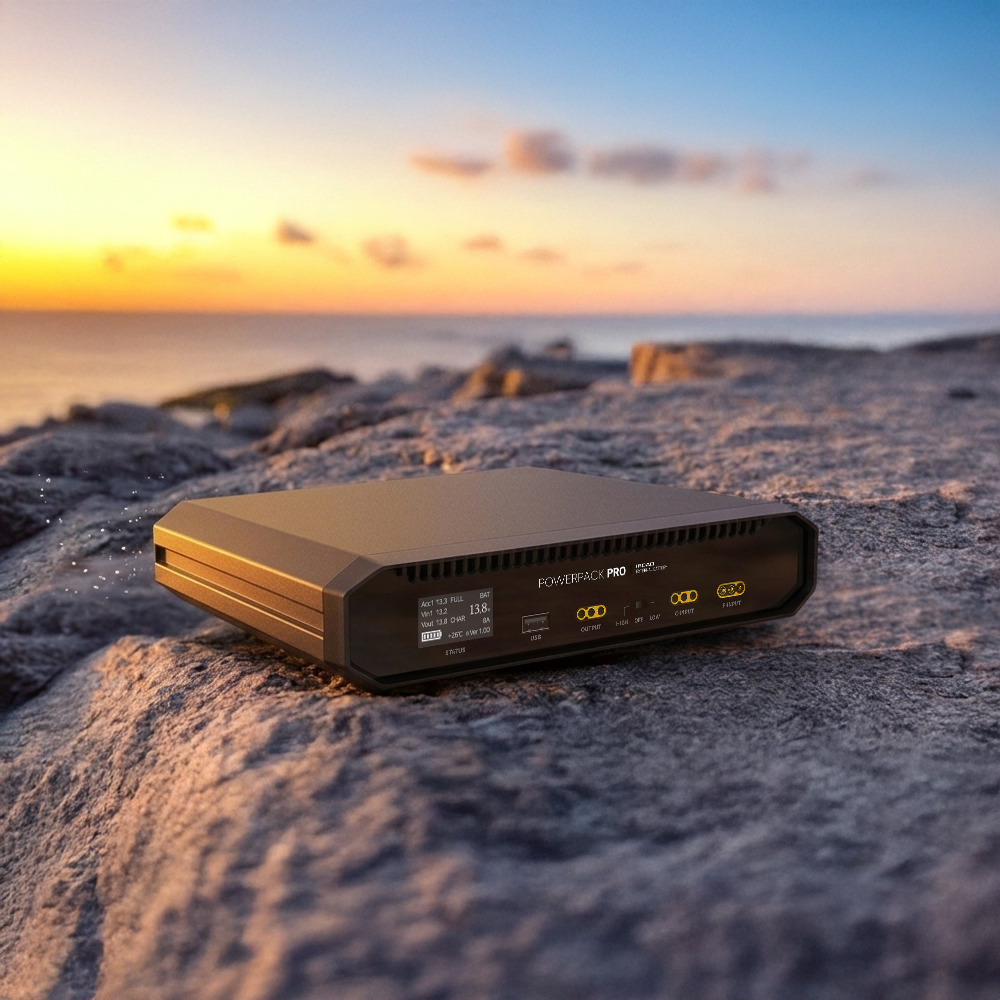
How Is It Different from the Supercapacitor in Your Dashcam?
You might be wondering—how is this different from the supercapacitor used in your dashcam?
Most dashcams use supercapacitors because they handle heat well and are very reliable—but they only provide power for a few seconds, just enough to safely save recordings when the car turns off. They’re also smaller and better suited for the compact design of a dashcam.
External battery packs serve a different purpose. They’re designed to power your dashcam for longer periods, especially for parking mode.
Think of it this way: a supercapacitor is like a backup switch that keeps things running just long enough to shut down properly, while a LiFePO4 battery is more like a steady power source that keeps everything running in the background for hours.
Why You See It So Often
Once you look at how dashcams are used, the choice becomes pretty clear.
A battery that sits inside a car needs to handle heat, stay stable, and keep working over time. Reliability matters more than anything else.
That’s exactly why LiFePO4 has become a common choice for dashcam battery packs.
Final Thoughts
LiFePO4 might sound like a complicated term, but it simply refers to a battery designed for stability, heat resistance, and long-term performance.
And for something that lives inside your car and needs to work when it matters—that makes all the difference.

