
Will Parking Mode Drain Your Car Battery
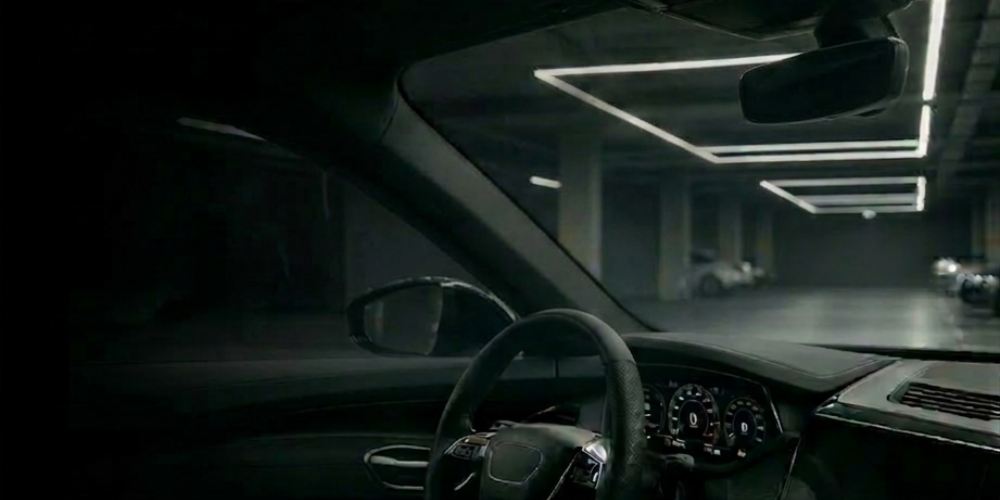
One of the most common questions drivers ask before enabling parking mode is simple: will it drain my car battery? Since parking mode allows a dashcam to monitor the vehicle even when the engine is off, the concern is understandable. No one wants to return to their car only to find the battery drained.
In reality, modern dashcams are designed specifically to avoid this situation. When properly installed and configured, parking mode is built to balance vehicle surveillance with responsible power usage. Understanding how the system works can help explain why battery drain is rarely a problem.
How Parking Mode Works
When the ignition is turned off, a dashcam automatically switches from normal driving mode to parking mode. Instead of continuously recording at full power, the camera begins using monitoring methods designed for a stationary vehicle.
Most parking modes rely on event-based recording. The dashcam remains on standby and begins recording when something triggers it. This could be movement near the car detected by motion sensors or an impact detected by the device’s internal G-sensor. Some dashcams also offer time-lapse recording, which captures fewer frames per second to maintain a record of activity while using less power.
By avoiding constant high-performance recording, parking mode significantly reduces the amount of energy the camera uses.
Low-Power Recording Technologies
Modern dashcams use several technologies to keep power consumption low while the vehicle is parked.
Motion-triggered recording allows the camera to remain in a low-power state until movement is detected around the vehicle. This ensures that recording only happens when something relevant occurs, such as a person approaching the car or another vehicle moving nearby.
Buffered recording is another useful feature. The dashcam temporarily stores short segments of video so that when an event occurs, it can save footage from a few seconds before and after the trigger. This provides context without requiring the camera to continuously record at full power.

Some parking modes also use time-lapse recording, capturing fewer frames per second. While the footage appears faster when played back, it allows long periods of monitoring with minimal energy consumption.
Hardwire Kits and Low-Voltage Cutoff
Parking mode typically requires the dashcam to be connected to the vehicle through a hardwire kit, which links the device directly to the car’s fuse box. This setup allows the dashcam to receive power even when the ignition is off.
A critical feature of these hardwire kits is low-voltage cutoff protection. If the battery voltage drops below a safe level, the system automatically cuts power to the dashcam. This prevents the battery from draining to the point where the vehicle cannot start.
In many dashcam brands, drivers can also manually set the cutoff voltage themselves. This allows users to choose how conservative the protection should be depending on their vehicle and driving habits.
When Battery Drain Can Actually Happen
Although parking mode is designed to prevent battery problems, a few situations can still cause issues. A very old or weakened battery may struggle to support additional devices. Incorrect installation or using parking mode without voltage protection can also increase the risk of draining the battery.
Drivers who require extended parking surveillance sometimes choose dedicated dashcam battery packs, which power the camera independently from the car’s main battery.
Final Thoughts
Parking mode is one of the most valuable features of a dashcam because it protects your vehicle even when you are not inside it. Thanks to low-power recording technologies and voltage protection systems, modern dashcams are designed to provide that protection without putting your car battery at risk.

