
What Dashcam Footage Taught Us in 2025
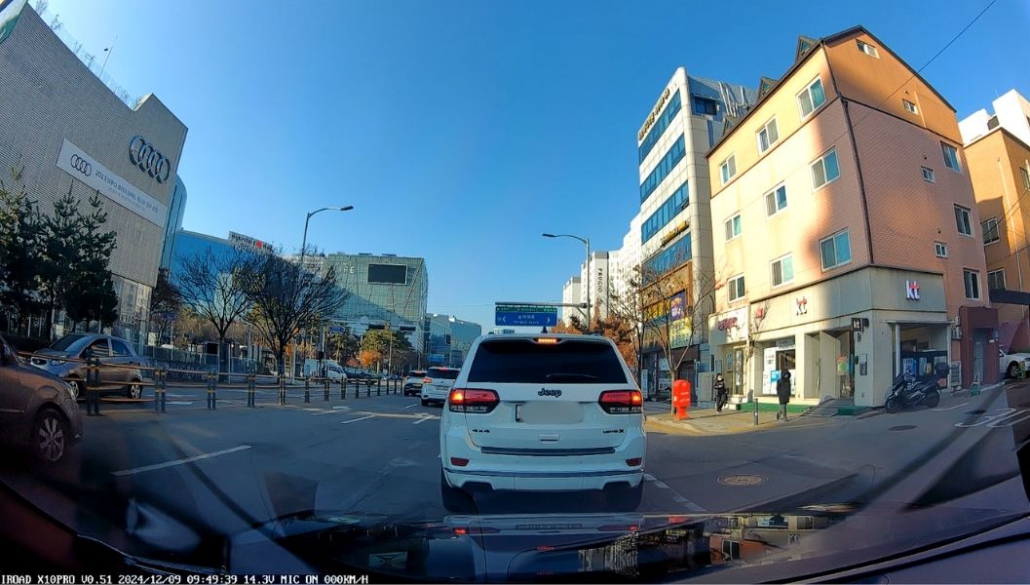
Dashcams record more than accidents. They capture everyday moments on the road — small decisions, brief distractions, and changing conditions. When this footage is viewed one clip at a time, it shows isolated incidents. But when it is reviewed over time, clear patterns begin to appear. These patterns reveal how attention, distance, and behavior affect safety. This article reflects on lessons observed from anonymized real-world dashcam footage to better understand how risks develop on the road.
Attention Is More Fragile Than We Assume
Many incidents captured on dashcams begin with a loss of attention. In some cases, drivers are tired. In others, they react a moment too late. What stands out is that these situations often happen during calm, familiar drives. Even when there is enough space between vehicles, delayed reaction can still lead to a collision. Footage shows that attention is not constant. It drops quietly, without warning. When that happens, risk increases quickly — even at low speeds and in normal traffic conditions.
Distance Creates Safety — Tailgating Removes It
Dashcam footage often shows how following distance affects outcomes. When vehicles travel too closely, drivers lose time to react. Even a small, sudden brake can lead to impact. In several cases, one rear-end collision quickly turns into a chain collision. The risk increases further when larger or heavier vehicles are involved, as they need more time and space to stop. Distance does not slow traffic. It creates room for decisions. Without it, even careful driving can quickly become unsafe.
Impatience Escalates Risk Before Impact
Some of the most avoidable incidents start with impatience. Footage shows drivers rushing through lane changes, pushing into small gaps, or refusing to yield even when another vehicle signals clearly. At traffic lights, small power struggles appear. Cars move forward unnecessarily, block others, or try to gain position before the light turns green. These moments may not always end in a crash, but they increase tension and unpredictability. When drivers focus on winning space instead of sharing it, the road becomes less safe for everyone.
Road Conditions Amplify Every Mistake
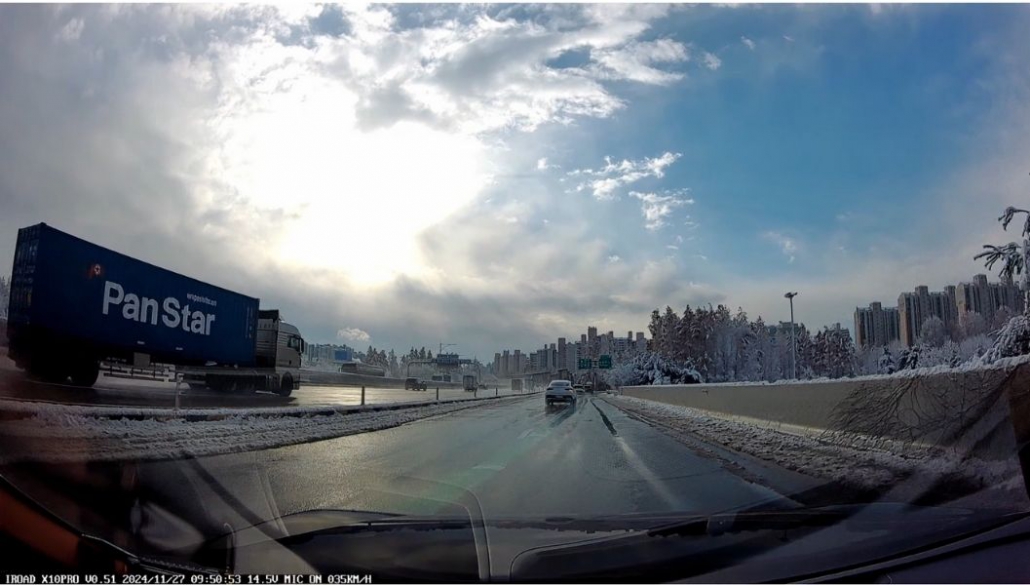
Some risks do not come from other drivers, but from the road itself. Dashcam footage from winter conditions shows vehicles losing control on slippery surfaces, even at moderate speeds. In many cases, the accident has already happened by the time another vehicle passes the scene. What this highlights is how quickly conditions can change. Snow, ice, or wet roads reduce grip and lengthen stopping distance. Drivers may not adjust their behaviour fast enough, especially if the road looks clear at first glance. When conditions shift, caution needs to increase immediately.
Not Every Road Risk Is Accidental
Some footage captures situations where risk is created on purpose. In rare but serious cases, individuals step into traffic or deliberately place themselves in the path of a vehicle to fake an accident. These moments are sudden and difficult to predict. For drivers, there is often no time to react or understand what is happening. This type of behaviour highlights the importance of clear, reliable records. When events are disputed, footage can help show what truly occurred and protect drivers from false claims.
Conclusion
Across all these situations, one pattern appears again and again: risk builds quietly before it becomes visible. A moment of fatigue, reduced distance, impatience, changing road conditions, or intentional behavior can quickly turn an ordinary drive into an incident. Dashcam footage does not just capture crashes. It shows how everyday decisions shape outcomes on the road. By paying attention to these small moments, drivers and organizations can better understand where safety breaks down — and where it can be strengthened before something goes wrong.

