
Why Dashcams Matter for Care & Medical Transport
Source: Canva
For vehicles used in care and medical transport, every journey carries a different kind of responsibility. It might be a family member taking an elderly parent to a clinic, a caregiver driving a patient for regular treatment, or a non-emergency medical transport (NEMT) service handling multiple trips a day. These are not just routine drives—they are moments where safety, attention, and trust matter in a more personal way.
In this context, a dashcam is not just about recording incidents. It becomes a way to bring clarity to situations that can otherwise feel uncertain, helping explain what happened when memory, stress, or timing makes details harder to piece together later.
Care & Medical Transport Comes with Different Risks
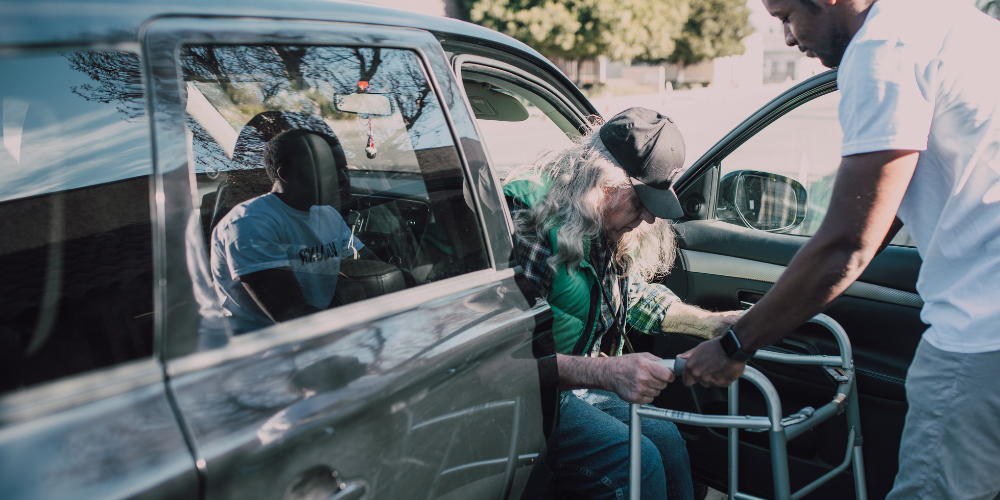
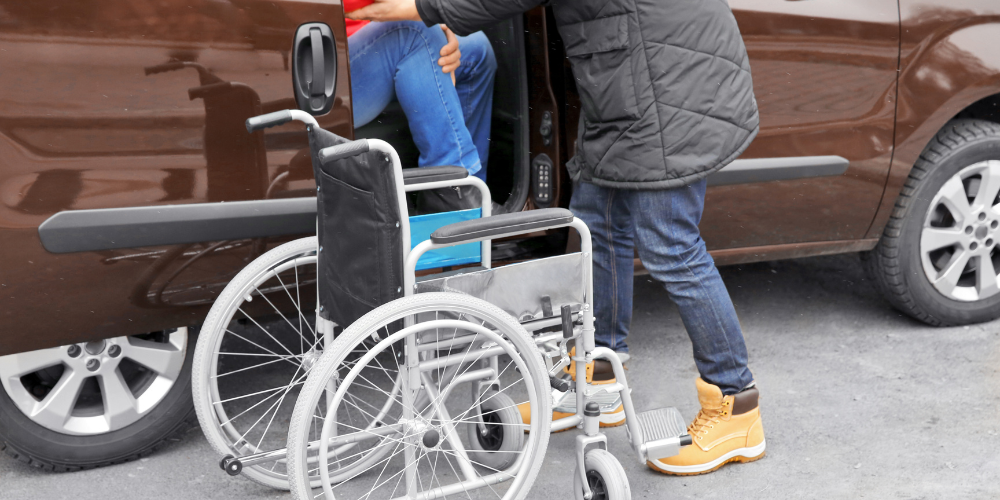
Care and medical transport involves passengers who may be physically or medically vulnerable, which naturally changes the nature of driving. Elderly passengers may need assistance entering or exiting the vehicle, some may have conditions that require careful handling during transit, and trips often involve regular stops at hospitals or care facilities.
Because of this, even minor road incidents or misunderstandings can carry more weight than they would in everyday driving. The responsibility on the driver is not only about reaching the destination, but also ensuring that the journey remains safe and clearly understood if anything unexpected occurs along the way.
Driving Assistance That Supports Safer Journeys
In care and medical transport, attention is constantly divided between driving, route timing, and passenger wellbeing. This is where modern dashcams can offer more than just recording—they can actively support safer driving habits through built-in assistance features.
Source: Canva
Functions like Front Vehicle Departure Warning (FVDW) help alert the driver when traffic ahead starts moving, which is especially useful in stop-and-go situations around hospitals or traffic signals. Lane Departure Warning Systems (LDWS) can gently notify drivers if the vehicle begins to drift unintentionally, which can be helpful during longer or more tiring journeys. Features like speed camera alerts also encourage consistent awareness of speed limits, particularly in unfamiliar routes.
Together, these features do not replace driver responsibility—they simply add another layer of awareness in situations where focus is already stretched across multiple priorities.
Extra Risk at Pick-ups and Drop-offs
Some of the most unpredictable moments in care and medical transport happen when the vehicle is stationary. Pick-ups and drop-offs at hospitals, care homes, rehabilitation centres, or residential areas often involve tight spaces, moving pedestrians, and other vehicles operating in close proximity.
In these environments, even small incidents—like a minor bump while parking or confusion around another vehicle’s movement—can become difficult to clarify later. A dashcam helps provide context by capturing the surrounding environment, making it easier to understand what actually happened during these brief but important moments.
Peace of Mind for Families
For many families, care and medical transport is not occasional—it is part of daily life. Whether it is an adult child taking a parent for regular treatment or a family member managing frequent medical visits, each trip carries a quiet layer of concern.
Questions like “Did everything go smoothly?” or “What if something happened on the way?” are natural. A dashcam helps ease some of that uncertainty by providing a clear record of the journey, which can be reviewed if ever needed. This allows caregivers to focus more on the person they are supporting, rather than the uncertainty of what might happen on the road.

