
Why Your 4K Dashcam Doesn’t Look Like 4K
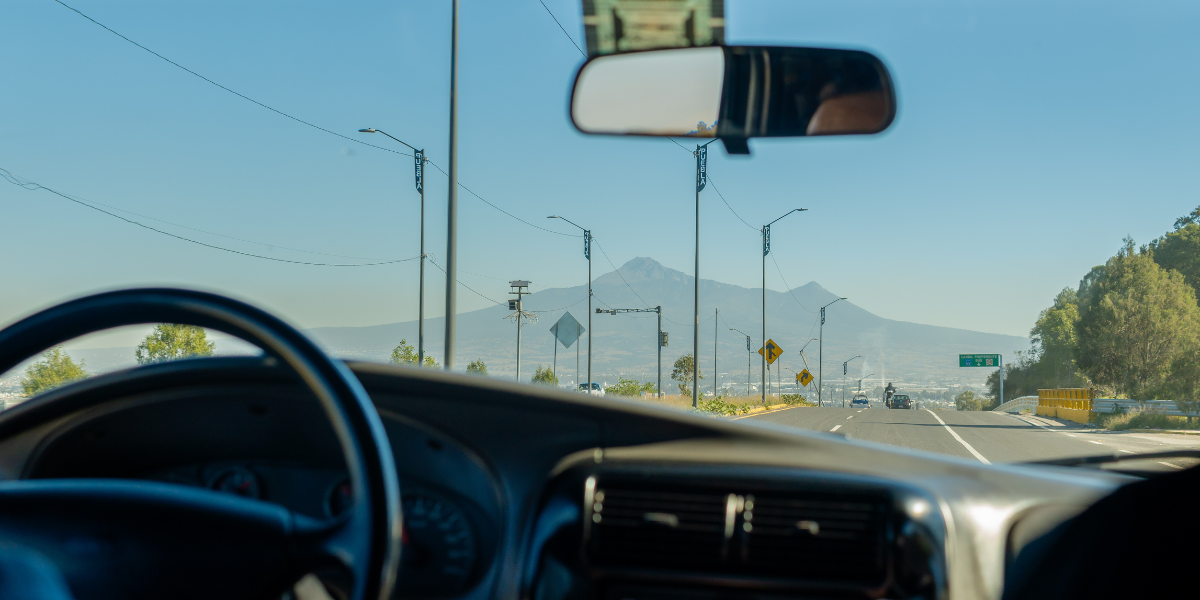
You chose a 4K dashcam expecting clearer, sharper footage—yet the results don’t always match that expectation. In some cases, the video may look softer than anticipated, struggle in low light, or fail to capture fine details like license plates as clearly as you hoped. This can be confusing, especially when 4K is widely associated with superior image quality. The reason lies in how dashcams actually capture and process video. Resolution is only one part of the equation, and understanding the full picture helps explain why 4K doesn’t always deliver the results people expect.
In reality, resolution is only one part of video quality. What matters more is how those details are captured, processed, and preserved in real-world conditions.
Sensor Quality
While resolution determines how many pixels are displayed, the sensor determines how much real detail is captured in the first place. In many cases, the difference comes down to sensor capability. Some 4K dashcams use smaller or less advanced sensors, which can struggle to capture enough light and detail—especially in motion or challenging conditions. As a result, the footage may appear noisy, soft, or lacking in clarity, despite the higher resolution.
This is why two dashcams with the same 4K resolution can produce noticeably different results. Without a strong sensor, increasing the number of pixels does not necessarily improve the overall image quality.
Image Processing
Beyond the hardware, image processing plays a key role in how footage actually looks. This includes elements such as HDR, noise reduction, and sharpening, which work together to enhance clarity and balance in different conditions.
When processing is not well optimised, the results can feel unnatural—details may appear overly sharp, colours may look washed out, or important elements may be lost in an attempt to reduce noise. On the other hand, well-tuned processing helps preserve detail, maintain balance, and ensure the footage remains

Night Performance
Low-light conditions make these differences more apparent. At night, a dashcam has less light to work with, and how it handles that limitation has a direct impact on video clarity.
In some cases, 4K dashcams may struggle because the available light is spread across more pixels, which can lead to increased noise or reduced detail. As a result, footage may appear grainy or less clear than expected. This is why overall hardware and processing become even more important in low-light situations, where resolution alone cannot ensure good performance.
Why Some 4K Footage Still Loses Detail
Even when a dashcam records in 4K, the way that video is stored can affect how much detail is actually preserved. To manage file size, video is compressed, and if that compression is too aggressive, fine details can be lost in the process.
In real-world use, this can result in footage that looks softer than expected, with elements like license plates or distant objects appearing blurred or less defined. This is why resolution alone does not always translate into sharper results—how the footage is handled behind the scenes also plays an important role.
Looking Beyond Resolution
When choosing a dashcam, it helps to look beyond the resolution on the box and pay attention to factors like the type of sensor used, how well features such as HDR are implemented, and how the camera performs at night. Looking at real sample footage—especially in low-light conditions—can also give a more accurate sense of what to expect.
A well-balanced system ensures that the footage is not just higher in resolution, but genuinely clearer and more reliable when it matters most.

