
Why Rural Roads Come With Different Driving Risks
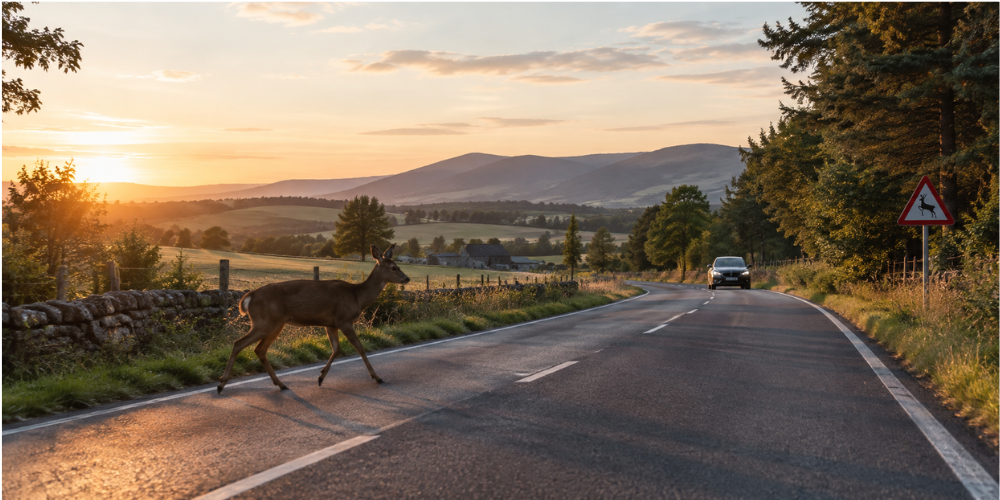
Image generated by OpenAI ChatGPT
Driving on rural roads can seem easier than driving in a busy city. There are fewer cars, less traffic, and often more open space. But fewer vehicles do not necessarily mean fewer risks. Rural drivers face a different set of challenges, from wildlife and farm vehicles to poor lighting, uneven road surfaces, and long distances between roadside services. Because these hazards can appear with little warning and there may be fewer people around to witness an incident, understanding the risks of rural driving—and how a dashcam can help—can make a real difference.
Fewer Cars, But Less Predictability
One of the biggest differences on rural roads is that there may be less traffic, but the road users you do encounter can be less predictable. A tractor or other slow-moving farm vehicle may suddenly enter the road, while cyclists, pedestrians, or livestock may appear around a bend. Rural roads can also be narrower, with fewer marked lanes and fewer safe opportunities to overtake. This means drivers need to pay attention not only to the vehicles around them, but also to what may be entering the road from fields, driveways, or nearby properties.
Wildlife and Unexpected Road Hazards
Unlike urban streets, rural roads are often surrounded by fields, forests, and open land, increasing the chances of encountering wildlife. Deer, wild boar, or smaller animals can suddenly cross the road, especially during dawn, dusk, or nighttime hours when visibility is reduced. Rural drivers may also face hazards such as loose gravel, potholes, fallen branches, mud carried onto the road by farm equipment, or standing water after heavy rain. Because many of these hazards can appear without warning, maintaining a safe speed and staying alert to changing road conditions is particularly important.
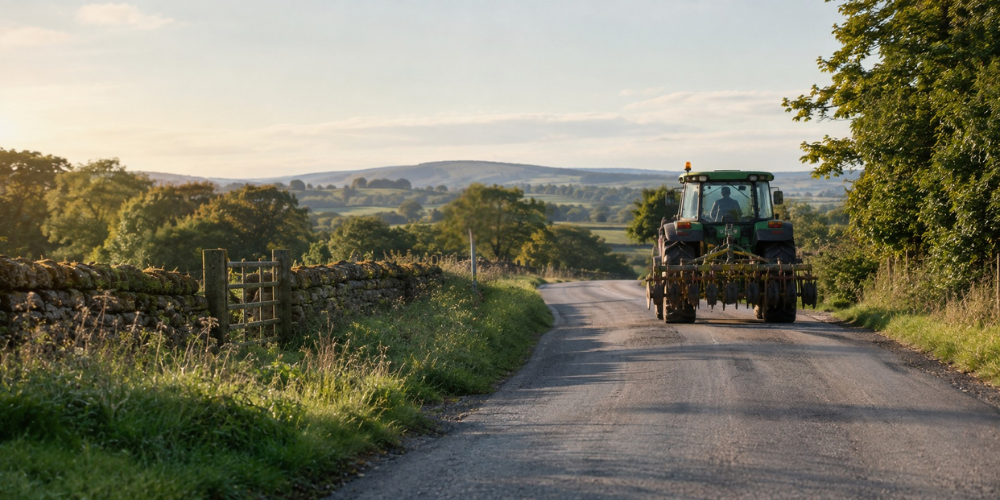
Image generated by OpenAI ChatGPT
Distance and Limited Roadside Support
Incidents on rural roads can also be more difficult to investigate than those in busy urban areas. Many rural routes have little traffic, fewer nearby businesses, and long stretches without pedestrians or other potential witnesses. If a collision, near miss, or road hazard causes damage, there may be very few people around who saw what happened. Combined with the fact that emergency services and roadside assistance may take longer to arrive in remote areas, this can make it harder to piece together events afterward. Having a reliable record of what occurred can therefore be especially valuable for drivers who regularly travel on rural roads.
Why a Dashcam Can Be Especially Useful on Rural Roads
When an incident happens on a rural road, there may be few—or no—witnesses nearby to confirm what occurred. A dashcam can provide an objective record of events, whether it involves a wildlife collision, debris in the roadway, a near miss with a farm vehicle, or another unexpected hazard. This footage can help clarify what happened and support insurance claims when accounts differ. Features such as good low-light recording, GPS location data, and parking mode can be particularly valuable for drivers who frequently travel on rural roads, where visibility and available evidence may be limited.
Preparing for the Realities of Rural Driving
Rural roads offer quieter journeys and less congestion, but they also come with challenges that many drivers may not encounter every day. Wildlife, changing road conditions, agricultural vehicles, and long stretches without nearby help all require drivers to stay alert and prepared. Knowing what to expect is an important part of safer rural driving, while a dashcam can provide a reliable record when something unexpected happens.