
The New Car Owner’s Checklist
Created with Google Gemini
Buying a new car has traditionally meant taking care of insurance, registration, and regular maintenance. Today, however, modern vehicles come with connected services, driver assistance systems, digital controls, and increasingly sophisticated security features. As a result, preparing for car ownership involves more than completing paperwork and collecting the keys.
For new owners, understanding these features from the beginning can make everyday driving safer, more convenient, and easier to manage.
1. Start with the Essentials
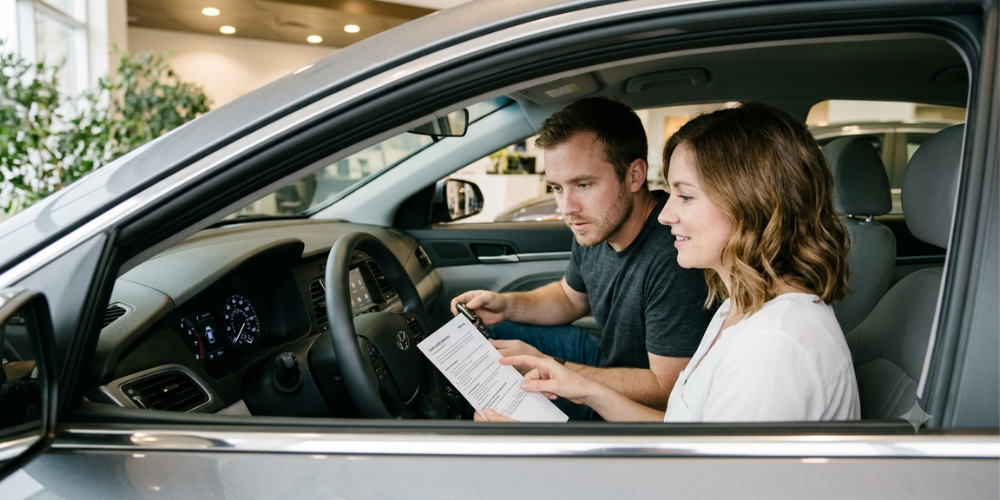
The fundamentals of car ownership remain important. Before driving regularly, ensure that insurance, registration, and other required documents are in order. Familiarise yourself with the manufacturer’s maintenance schedule, warranty conditions, and recommended servicing intervals.
It is equally important to understand your vehicle’s basic controls, warning indicators, tire pressure requirements, and emergency procedures. These essentials provide the foundation for responsible ownership, regardless of how advanced the vehicle may be.
2. Set Up Your Vehicle’s Technology
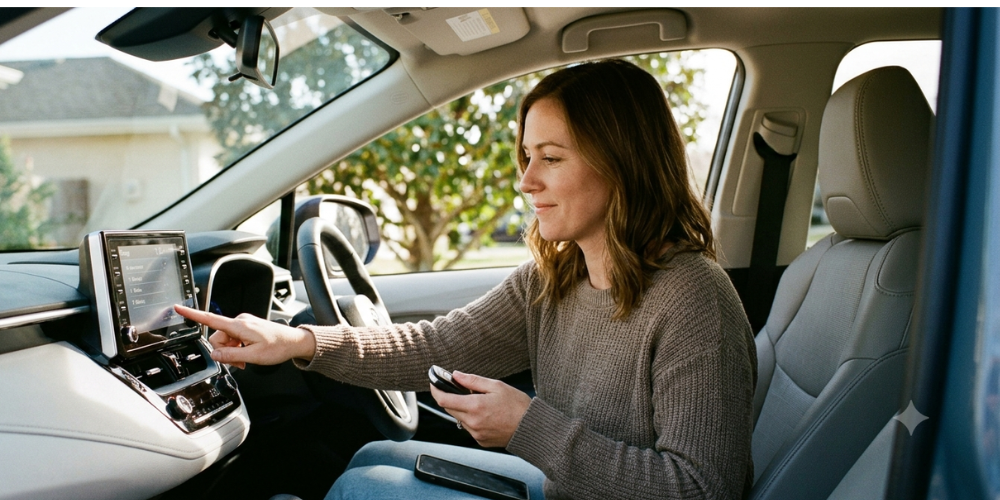
Modern vehicles often include smartphone connectivity, navigation, manufacturer applications, and connected services. Depending on the model, these features may allow owners to check vehicle status, locate their car, receive maintenance notifications, or access selected remote functions.
Take time to configure these systems and review their privacy and notification settings. Understanding which features require an internet connection, a subscription, or additional setup can also help prevent confusion later.
Driver assistance systems deserve similar attention. Features such as lane departure warnings, blind-spot monitoring, and automatic emergency braking can support safer driving, but their availability and operation vary by vehicle. Read the owner’s manual to understand their limitations and adjust settings appropriately. These technologies assist drivers; they do not replace attention or sound judgement.
Created with Google Gemini
3. Make Vehicle Security Part of the Plan
Vehicle protection extends beyond locking the doors and activating the alarm. New owners should understand their vehicle’s security features, keyless entry settings, and available tracking or notification services.
Parking deserves particular consideration. A vehicle may spend considerably more time parked than it does on the road, whether outside a home, in a public car park, or while travelling. Owners should consider what protection is available when the vehicle is unattended.
A dashcam can be a useful addition to this setup. Depending on its capabilities and installation, it can record driving incidents and provide footage that may help clarify what happened in a collision or other unexpected event. Models with parking recording can also capture certain events while the vehicle is parked, subject to their power supply, settings, and operating conditions.
4. Prepare for Everyday Use
A practical ownership routine also includes planning for daily needs. Electric vehicle owners should familiarise themselves with charging options, charging schedules, and battery care recommendations. Drivers of conventional vehicles should understand their refuelling needs and monitor fuel levels.
Keep essential items such as an emergency kit, tire repair equipment where appropriate, and roadside assistance information readily accessible. Regularly checking tires, lights, fluid levels, and warning messages can help identify potential problems before they become more serious.
Finally, review your vehicle’s features periodically. Software updates, changing driving habits, and new accessories may affect how you use and maintain your car.
A More Complete Approach to Car Ownership
Modern car ownership combines traditional responsibilities with technology, connectivity, and security. By understanding their vehicle’s systems and establishing a few simple routines, new owners can make more informed decisions about both driving and protection.
A well-prepared car is not simply one that is insured and maintained. It is one whose owner understands how its features work, recognises their limitations, and has considered what the vehicle needs on the road and while parked.