

Most dashcams are judged by their first recording. Their true value is determined by the thousands that follow, after years of heat, sunlight, vibration, and daily driving.

Most dashcams are judged by their first recording. Their true value is determined by the thousands that follow, after years of heat, sunlight, vibration, and daily driving.

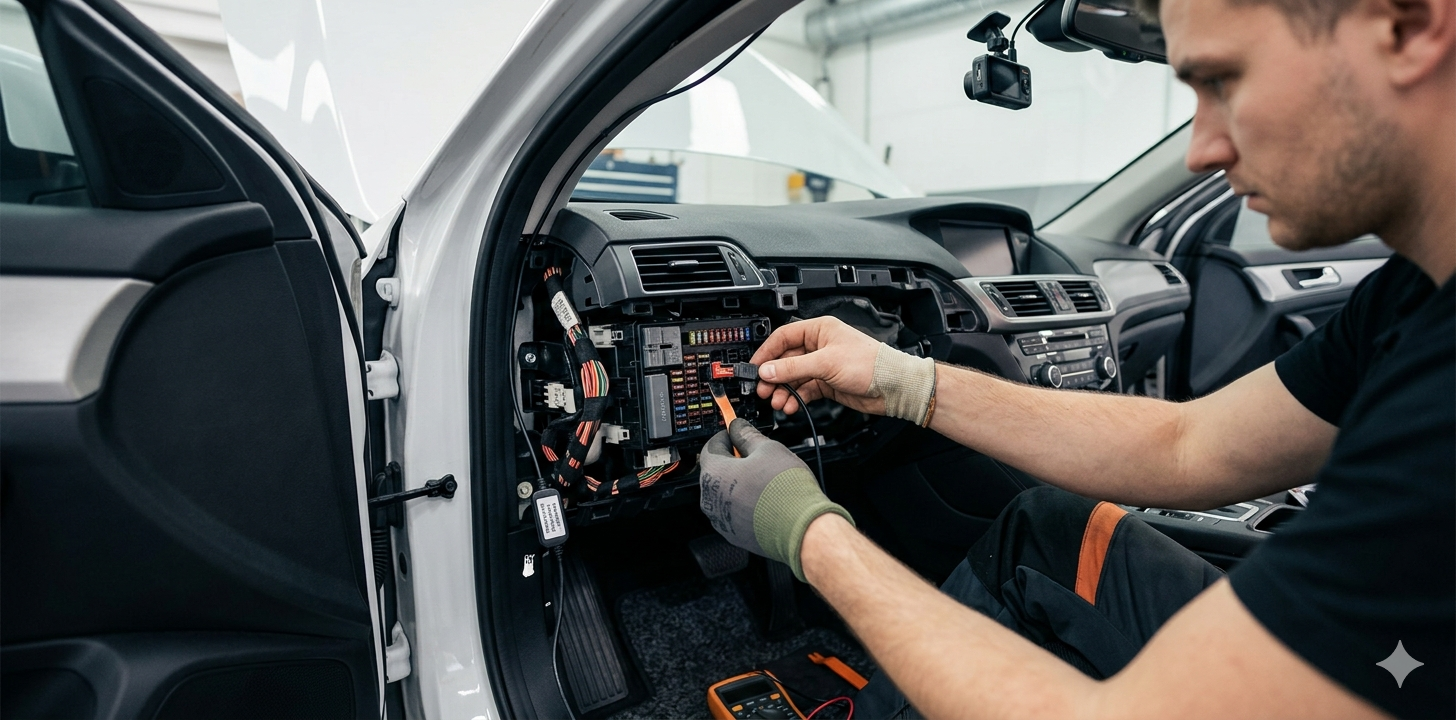
Choosing how to power your dashcam affects more than just installation—it shapes how your camera works every day. From simple plug-and-play setups to fully integrated parking surveillance, each connection method offers a different balance of convenience, functionality, and clean installation.


Most “cloud dashcams” still can’t connect to the cloud on their own — and there’s a good reason for that.
From heat and power consumption to long-term reliability, external Wi-Fi isn’t a workaround — it’s a deliberate design choice that keeps cloud features stable, efficient, and practical in real-world driving conditions.


A dashcam’s field of view affects both how much of the road is captured and how clearly important details appear. This article explains why the ideal balance between coverage and clarity is typically found within the 140°–170° range.


LiFePO4 might sound like a complicated battery term—but it’s actually the reason your dashcam can survive extreme heat and keep recording when it matters most.
If you’re using (or considering) an external battery pack, this one detail can make a bigger difference than you think.
IROAD BRANCH COMPANY SINGAPORE
CORVIT INTERNATIONAL PTE. LTD.

Tel :6659 0141
81 Ubi Avenue 4, #01-05, UB.One Building, S408830
Our Service is closed in observance of all major SINGAPORE Holidays