
Front Only or Front & Rear? Which Setup is Right for You
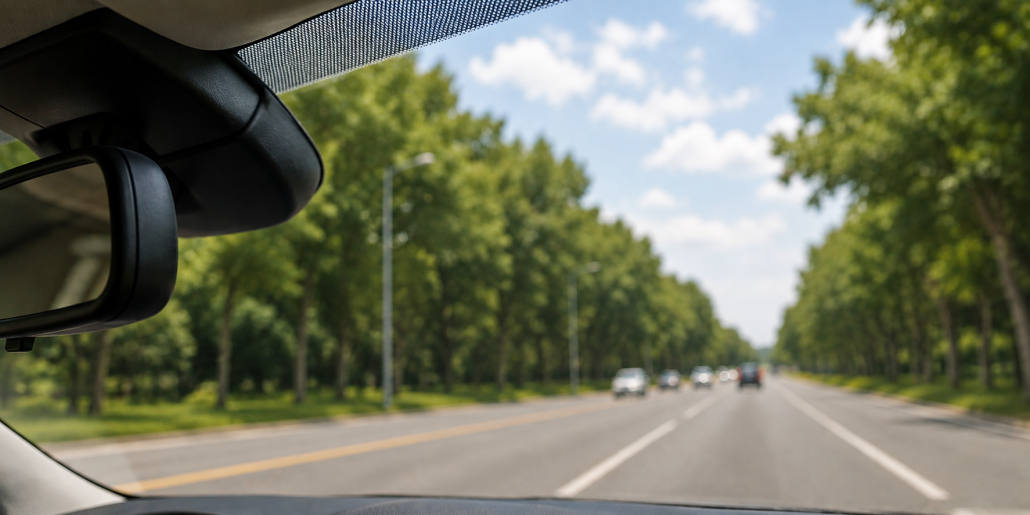
Image generated by OpenAI ChatGPT
Buying a dashcam is often straightforward until you reach one common question: should you choose a front-only camera or a front and rear setup? While both options can provide valuable evidence on the road, the right choice depends on how you drive, where you park, and what level of coverage gives you the most confidence. Understanding the differences can help you invest in a system that matches your everyday needs without paying for features you may never use.
What Does Each Setup Capture?
The main difference between the two setups is the area they record. A front-only dashcam captures everything happening ahead of your vehicle, including traffic, road conditions, and incidents directly in front of you. A front and rear system adds a second camera that records what is happening behind your vehicle at the same time. This wider coverage can provide a more complete picture of an incident, helping to show what happened from multiple angles.
When a Front-Only Dashcam Makes Sense
For many drivers, a front-only dashcam provides all the coverage they need. If you mainly use your car for daily commuting, short errands, or occasional road trips, recording the road ahead is often enough to capture the most common types of driving incidents. Front-only models are also typically more affordable and easier to install, making them a practical choice for first-time dashcam buyers or anyone looking for reliable protection without extra complexity. If your priority is having dependable video evidence while keeping costs and installation simple, a front-only setup can be an excellent fit.
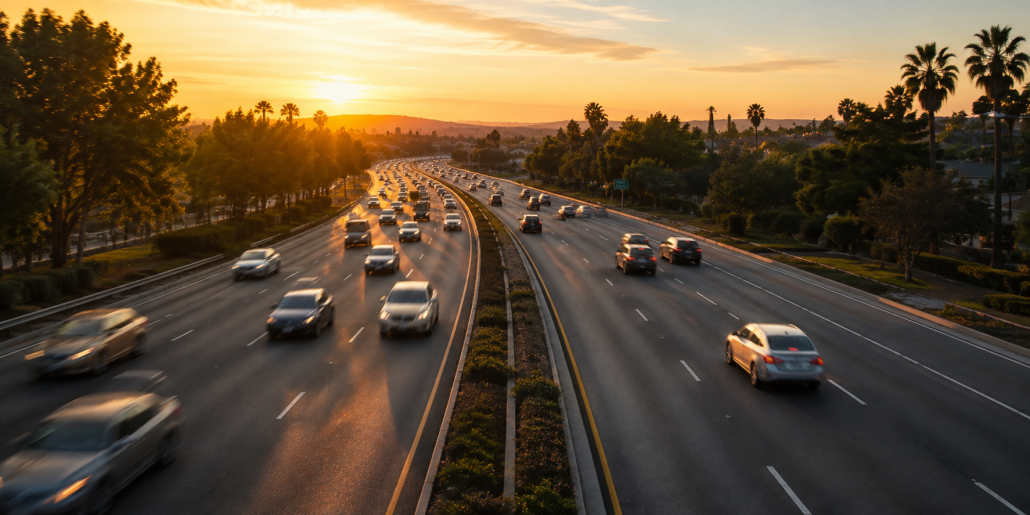
Image generated by OpenAI ChatGPT
Why Some Drivers Choose Front + Rear Coverage
A front and rear dashcam offers a broader view of every journey by recording both what is happening ahead and behind your vehicle. This can be especially useful if you’re involved in a rear-end collision, your parked car is struck from behind, or another driver claims events happened differently. Having footage from two directions can help fill in gaps that a front-only camera might miss, making it easier to understand how an incident unfolded. While a dual-camera system usually costs more and takes a little longer to install, many drivers find the added coverage worthwhile, particularly if they spend a lot of time on busy roads or regularly park in public places.
Questions to Ask Before You Decide
Before choosing a setup, think about how and where you use your vehicle rather than assuming the more expensive option is automatically the better one. If you mostly drive short distances, park in a secure garage, and simply want evidence of what happens ahead, a front-only dashcam may be all you need. On the other hand, if you regularly drive in heavy traffic, leave your vehicle in public parking areas, or want the reassurance of capturing events from both directions, a front and rear system may be worth considering. Matching your dashcam to your daily driving habits will help you get the best value and the level of protection that fits your needs.
Choose the Coverage That Fits Your Driving
There is no one-size-fits-all answer when it comes to choosing between a front-only and a front + rear dashcam. Both options can provide valuable evidence and greater peace of mind, but the right choice depends on your driving routine, parking habits, and budget. Instead of focusing on having the most features, consider which setup best matches your everyday needs. A dashcam is most effective when it complements the way you actually use your vehicle, giving you confidence every time you head out on the road.