
Does Your Tesla (or Smart Car) Need a Dashcam
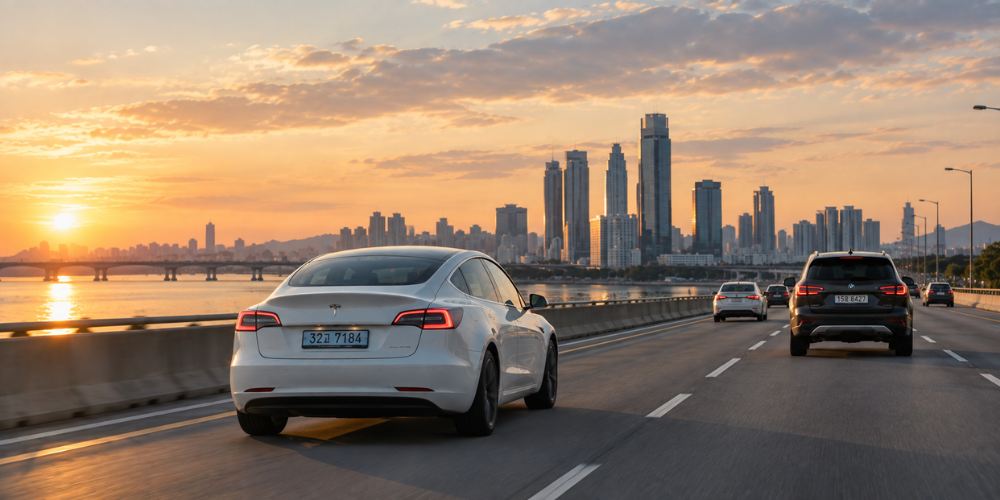
Image generated with ChatGPT
Modern cars are becoming more like computers on wheels. Many new vehicles, including Tesla and other cars equipped with advanced driver assistance systems (ADAS), come with multiple cameras and sensors that can monitor the road, assist with parking, detect nearby vehicles, and even record certain events.
So, if your car already has cameras, do you really need a dashcam?
The answer depends on what you expect your camera to do. Built-in cameras and dedicated dashcams may seem similar, but they are designed with different priorities in mind.
What Do Built-In Car Cameras Actually Do?
The cameras already installed in a smart car are primarily there to support the vehicle’s features. They help systems recognize lane markings, detect obstacles, monitor surroundings, and provide features such as automatic emergency braking or parking assistance.
Some vehicles can also save video recordings when certain events occur. This can be useful after a collision or other unexpected incident.
However, having cameras does not automatically mean your car functions like a dedicated dashcam. The way footage is recorded, stored, accessed, and protected varies between manufacturers and models. Some systems may only save footage under particular conditions, while others may require specific settings or storage devices.
ADAS Doesn’t Mean Your Car Records Everything
It’s also important to separate driver assistance from video recording.
ADAS features are designed to help you drive more safely. Adaptive cruise control can maintain a set distance from the vehicle ahead, lane-keeping assistance can help keep the car centered, and collision warnings can alert you to potential dangers.
But these features are not primarily designed to provide video evidence.
Imagine another driver suddenly changes lanes and hits your car, or someone scrapes your bumper in a parking lot. Your car may have detected the surrounding vehicle, but that doesn’t necessarily mean you’ll have an easily accessible recording of exactly what happened.
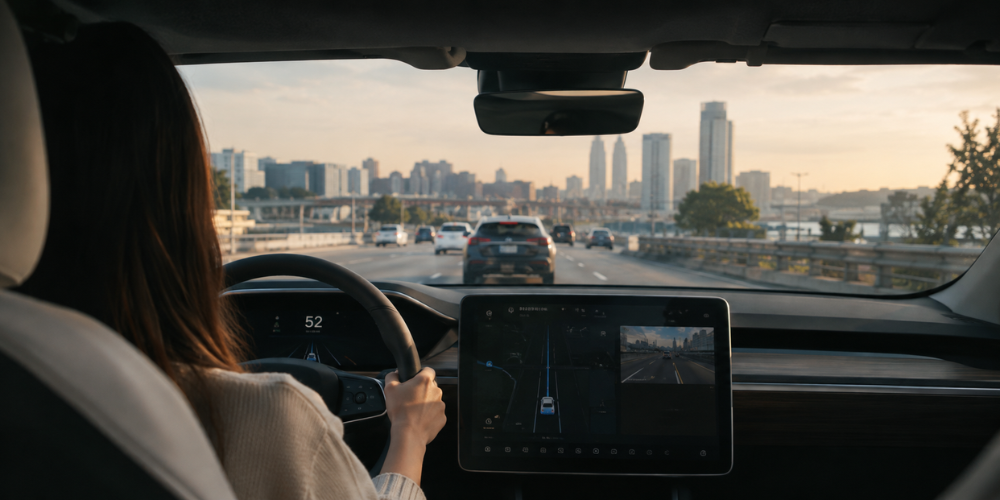
Image generated with ChatGPT
Hardware Differences That Matter
While it might seem redundant to add a camera to a vehicle that already has several, examining the hardware reveals why built-in systems often fall short of replacing a dashcam. The two technologies operate on entirely different specifications:
- Machine Vision vs. Human Vision: Built-in ADAS cameras are optimized for AI. They often utilize lower resolution or grayscale sensors because the car’s computer only needs to identify the general shape of a vehicle or a lane marking to trigger emergency braking. Dashcams, however, are built for human review, utilizing high-resolution lenses (like 2K or 4K) equipped with image sensors specifically tuned to capture fine details, such as license plates, even in low light.
- Power Consumption and Parking Mode: When a smart car uses its built-in cameras for parking surveillance (such as Tesla’s Sentry Mode), it keeps the car’s main computer awake, draining massive amounts of battery range. Dedicated dashcams are designed for low-power operation. They can monitor a parked vehicle for days, either sipping minimally from the car’s 12V battery or running safely off an independent dashcam powerpack, without compromising the vehicle’s main power supply.
- Field of View: ADAS cameras are usually tightly focused on specific functional areas, like the immediate front bumper or tight blind spots. Dashcams feature ultra-wide lenses—typically spanning 140° to 160°—ensuring they capture the entire intersection and peripheral events leading up to an incident.
Dedicated Dashcam vs. Built-In Camera
A dedicated dashcam is designed from the beginning to record your driving environment.
Depending on the model, it can continuously record while driving, automatically save footage when an impact is detected, and provide front, rear, or additional camera coverage. Many dashcams also offer parking surveillance, allowing your vehicle to be monitored while you’re away.
This makes a dashcam less about adding another camera and more about having a dedicated record of what happens around your car.
For many drivers, the two technologies can work together. Your vehicle’s built-in cameras can support its safety and driving features, while a dashcam provides an additional layer of video evidence.